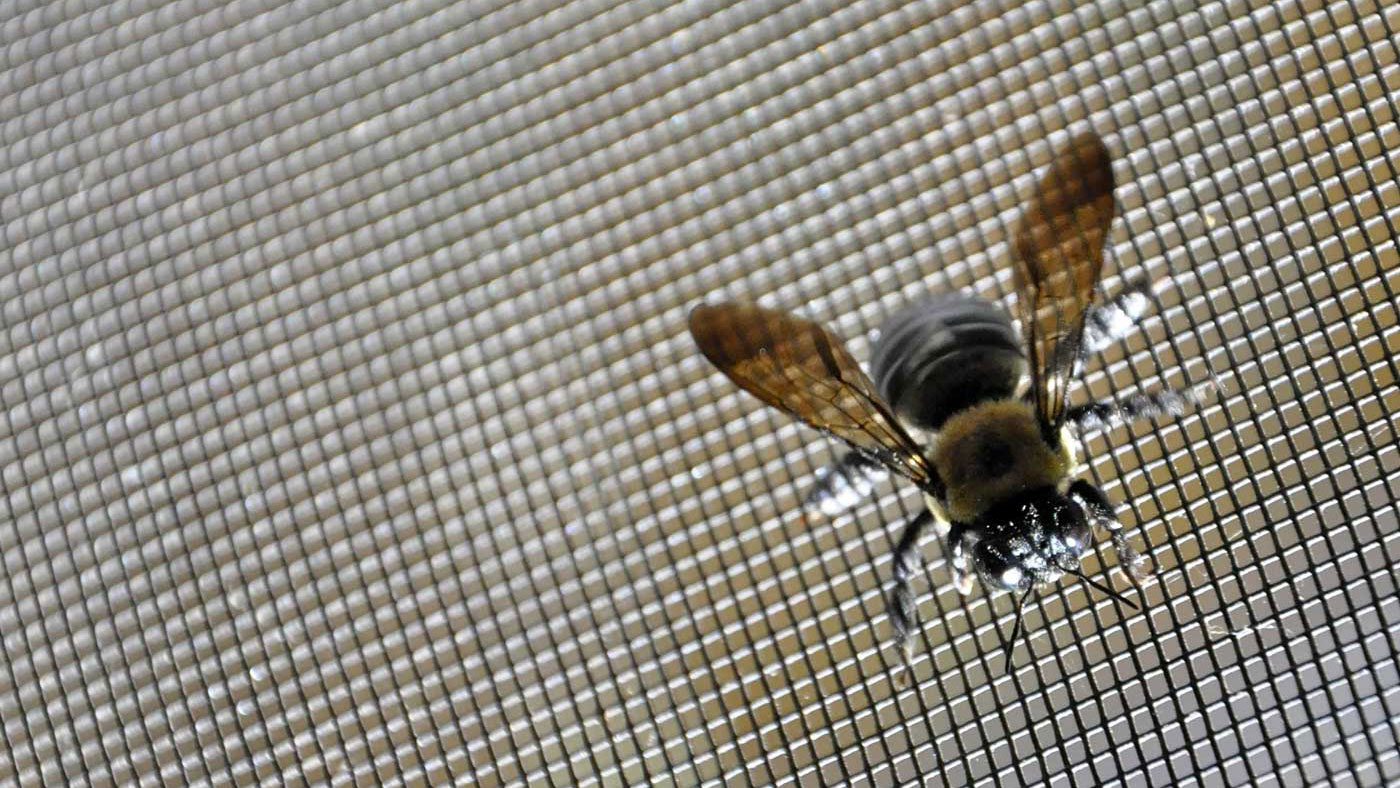
Filters and Strainers We can produce filters and strainers, incorporating woven wire mesh as the filter medium, to your own specifications. These are generally of welded or soldered construction.
Extruder Screens We specialise in the manufacture of screens for all types of extruder and screen-changer. These can be in the form of plain discs or washers, multiple screenpacks of spot-welded construction or bound with aluminium or copper rims, multilayer tubes or specially profiled screens. They are produced on high-speed automatic presses and supplied in convenient consumer packs. Autoscreening rolls are also available – please ask us for details.
Very coarse moulding
24 Mesh 0.35mm Wire / 500 Micron
Injection/Moulding
60 Mesh 0.16mm Wire / 260 Micron
Injection/Moulding
12/64 Hollander / 300 Micron
Material for Tubes/Thick Film
14/88 Hollander / 200 Micron
Blown Film Recycling
24/110 Hollander / 125 Micron
Very Fine Blown Film
50/250 Hollander/ 63 Micron
Made-up Screens and Screen Recovering We produce screens suitable for use on vibratory and other screening plant. These are normally fitted with hookstrips, eyelets or other special edging to enable them to be tensioned, or are bonded to a frame. We offer a rapid turnaround on recovering any screen from our extensive range of meshes.
Clay Modelling Tools: Extruder Discs
Now, for some the term extruder disc will summon up images of a small round metal plate with holes punctured through, placed at the bottom of the sink to catch all the food bits (or hair) and prevent the drains from becoming blocked. For others it may represent a filter made from finely woven mesh placed across an extractor fan to purify the airflow, or trap abrasive and harmful dusts. However, these domestic and industrial tools are certainly not used here, in a profession where a combination of precision and creativity is the key to making unique, accurate and beautiful clay models.
Shape cutting
In clay modelling, the best way to create tube shapes or thin strands is to push the clay through an ‘extruder’ at the end of which is attached a metal disc with an outline stamped through it. This shape, much like a cookie cutter, will determine the shape and size of your length of clay. For example, a square extruder disc can be used to cut bricks or planks, while a circle could make columns or tree trunks. It really depends what you are building. If you are making jewellery then it depends how thick you want the clay band or pendant to be. There is a wide range of extruder discs out there and this can be a little bit baffling. Here are some common moulds and their uses:
• For scenery building, the use of a finely pierced extruder disc will enable you to push through strands of grass or flower stems.
• These ‘screen discs’ are also used for making hair for human figures or plush animals.
• A disc with a flat rectangular slot may be used for making ribbon for bows or weaving baskets.
• A semi-circle creates a great border shape or timber for attaching to buildings.
• The square and circular cut discs are the most common for creating basic shapes and three dimensional letters.
Colour and finish
The important factor then is to choose the appropriate colour or mix of colours for the model or jewellery piece. Another exciting section of clay modelling is learning how to combine colours to create brightly patterned strands of clay, which make wonderful accessories. Further to this, a tutorial on the optimum baking and varnishing techniques is crucial for creating smooth and glossy models.
Top tip
One final handy tip is this: Once you have collected an extensive range of extruder discs it is a good idea to create short cuts of clay from each shape and somehow label the metal mould and the sample identically. This way, when you come to making something else you will be able to identify the size and shape you need without too much hassle.